
[et_pb_section fb_built=”1″ disabled_on=”on|off|off” admin_label=”section” _builder_version=”4.24.1″ background_color=”#FFFFFF” custom_margin=”-50px|0px|0px|0px|false|false” custom_padding=”0px|0px|0px|0px|false|false” global_colors_info=”{}” theme_builder_area=”post_content”][et_pb_row column_structure=”3_5,2_5″ admin_label=”row” _builder_version=”4.24.1″ background_color=”RGBA(255,255,255,0)” background_size=”initial” background_position=”top_left” background_repeat=”repeat” width=”100%” custom_padding=”0px||||false|false” saved_tabs=”all” global_colors_info=”{}” theme_builder_area=”post_content”][et_pb_column type=”3_5″ _builder_version=”4.16″ custom_padding=”|||” global_colors_info=”{}” custom_padding__hover=”|||” theme_builder_area=”post_content”][et_pb_text disabled_on=”on|off|off” _builder_version=”4.24.1″ header_font=”Freight Micro Pro||||||||” background_size=”initial” background_position=”top_left” background_repeat=”repeat” custom_margin=”||||false|false” global_colors_info=”{}” theme_builder_area=”post_content”]
Political Economy at Berkeley
The Political Economy major is designed to study the relationship between government, society, and the economy in a holistic manner from a multi-disciplinary perspective. Political Economy majors investigate how real-world market systems are embedded in both politics and society. They graduate with a mastery of a broad range of contemporary analyses as well as a deep understanding of classic works of political economy.
The study of Political Economy is both scientific, with its rigorous attention to social science methodology, and normative, with its concern for the big questions of how best to organize politics, society, and the economy. Political Economy seeks to examine the role of the state in the economy, and to assess which government policies and market institutions can move us toward a better society.
The major focuses on contemporary problems while building on a strong historical foundation. Students can choose to study such topics as economic development, trade and investment, global inequality, climate change, resource distribution, gender relations, financial systems, information technology, or health policy.
Some of the issues addressed in the major and its courses include, but are not limited to:
[/et_pb_text][et_pb_text disabled_on=”off|off|on” _builder_version=”4.24.1″ header_font=”Freight Micro Pro||||||||” background_color=”RGBA(255,255,255,0)” background_size=”initial” background_position=”top_left” background_repeat=”repeat” custom_margin=”20px||||false|false” global_colors_info=”{}” theme_builder_area=”post_content”]
Political Economy at Berkeley
The Political Economy major is designed to study the relationship between government, society, and the economy in a holistic manner from a multi-disciplinary perspective. Political Economy majors investigate how real-world market systems are embedded in both politics and society. They graduate with a mastery of a broad range of contemporary analyses as well as a deep understanding of classic works of political economy.
The study of Political Economy is both scientific, with its rigorous attention to social science methodology, and normative, with its concern for the big questions of how best to organize politics, society, and the economy. Political Economy seeks to examine the role of the state in the economy, and to assess which government policies and market institutions can move us toward a better society.
The major focuses on contemporary problems while building on a strong historical foundation. Students can choose to study such topics as economic development, trade and investment, global inequality, climate change, resource distribution, gender relations, financial systems, information technology, or health policy.
Some of the issues addressed in the major and its courses include, but are not limited to:
[/et_pb_text][/et_pb_column][et_pb_column type=”2_5″ _builder_version=”4.16″ custom_padding=”|||” global_colors_info=”{}” custom_padding__hover=”|||” theme_builder_area=”post_content”][et_pb_blurb title=”Political Economy Major Map” admin_label=”Blurb 3″ module_class=”blurbbox” _builder_version=”4.7.7″ header_level=”h3″ header_font=”Freight Micro Pro||||||||” background_color=”#E09900″ text_orientation=”center” background_layout=”dark” custom_padding=”25px|25px|25px|25px|true|true” link_option_url=”https://vcue.berkeley.edu/sites/default/files/political_economy.pdf” link_option_url_new_window=”on” z_index_tablet=”500″ header_text_shadow_horizontal_length_tablet=”0px” header_text_shadow_vertical_length_tablet=”0px” header_text_shadow_blur_strength_tablet=”1px” body_text_shadow_horizontal_length_tablet=”0px” body_text_shadow_vertical_length_tablet=”0px” body_text_shadow_blur_strength_tablet=”1px” body_link_text_shadow_horizontal_length_tablet=”0px” body_link_text_shadow_vertical_length_tablet=”0px” body_link_text_shadow_blur_strength_tablet=”1px” body_ul_text_shadow_horizontal_length_tablet=”0px” body_ul_text_shadow_vertical_length_tablet=”0px” body_ul_text_shadow_blur_strength_tablet=”1px” body_ol_text_shadow_horizontal_length_tablet=”0px” body_ol_text_shadow_vertical_length_tablet=”0px” body_ol_text_shadow_blur_strength_tablet=”1px” body_quote_text_shadow_horizontal_length_tablet=”0px” body_quote_text_shadow_vertical_length_tablet=”0px” body_quote_text_shadow_blur_strength_tablet=”1px” box_shadow_horizontal_tablet=”0px” box_shadow_vertical_tablet=”0px” box_shadow_blur_tablet=”40px” box_shadow_spread_tablet=”0px” box_shadow_horizontal_image_tablet=”0px” box_shadow_vertical_image_tablet=”0px” box_shadow_blur_image_tablet=”40px” box_shadow_spread_image_tablet=”0px” text_shadow_horizontal_length_tablet=”0px” text_shadow_vertical_length_tablet=”0px” text_shadow_blur_strength_tablet=”1px” global_module=”4803″ saved_tabs=”all” global_colors_info=”{}” theme_builder_area=”post_content”][/et_pb_blurb][et_pb_blurb title=”Undergraduate Major Requirements & Policies” admin_label=”Blurb 1″ module_class=”blurbbox” _builder_version=”4.24.1″ _dynamic_attributes=”link_option_url” header_level=”h3″ header_font=”Freight Micro Pro||||||||” background_color=”#E09900″ text_orientation=”center” background_layout=”dark” custom_padding=”25px|25px|25px|25px|true|true” link_option_url=”@ET-DC@eyJkeW5hbWljIjp0cnVlLCJjb250ZW50IjoicG9zdF9saW5rX3VybF9hdHRhY2htZW50Iiwic2V0dGluZ3MiOnsicG9zdF9pZCI6Ijc1MTUifX0=@” link_option_url_new_window=”on” global_module=”4794″ saved_tabs=”all” global_colors_info=”{}” theme_builder_area=”post_content”][/et_pb_blurb][et_pb_blurb title=”The Berkeley Economy & Society Initiative (BESI)” url_new_window=”on” admin_label=”Blurb 6″ module_class=”blurbbox” _builder_version=”4.24.1″ header_level=”h3″ header_font=”Freight Micro Pro||||||||” header_text_color=”#FFFFFF” background_color=”#E09900″ text_orientation=”center” background_layout=”dark” custom_padding=”25px|25px|25px|25px|true|true” link_option_url=”https://live-berkeley-economy-and-society-initiative.pantheonsite.io/” link_option_url_new_window=”on” z_index_tablet=”500″ header_text_shadow_horizontal_length_tablet=”0px” header_text_shadow_vertical_length_tablet=”0px” header_text_shadow_blur_strength_tablet=”1px” body_text_shadow_horizontal_length_tablet=”0px” body_text_shadow_vertical_length_tablet=”0px” body_text_shadow_blur_strength_tablet=”1px” body_link_text_shadow_horizontal_length_tablet=”0px” body_link_text_shadow_vertical_length_tablet=”0px” body_link_text_shadow_blur_strength_tablet=”1px” body_ul_text_shadow_horizontal_length_tablet=”0px” body_ul_text_shadow_vertical_length_tablet=”0px” body_ul_text_shadow_blur_strength_tablet=”1px” body_ol_text_shadow_horizontal_length_tablet=”0px” body_ol_text_shadow_vertical_length_tablet=”0px” body_ol_text_shadow_blur_strength_tablet=”1px” body_quote_text_shadow_horizontal_length_tablet=”0px” body_quote_text_shadow_vertical_length_tablet=”0px” body_quote_text_shadow_blur_strength_tablet=”1px” box_shadow_horizontal_tablet=”0px” box_shadow_vertical_tablet=”0px” box_shadow_blur_tablet=”40px” box_shadow_spread_tablet=”0px” box_shadow_horizontal_image_tablet=”0px” box_shadow_vertical_image_tablet=”0px” box_shadow_blur_image_tablet=”40px” box_shadow_spread_image_tablet=”0px” text_shadow_horizontal_length_tablet=”0px” text_shadow_vertical_length_tablet=”0px” text_shadow_blur_strength_tablet=”1px” global_module=”4807″ saved_tabs=”all” global_colors_info=”{}” theme_builder_area=”post_content”][/et_pb_blurb][et_pb_blurb title=”The Political Economy Student Association (PESA)” url_new_window=”on” module_class=”blurbbox” _builder_version=”4.24.1″ _module_preset=”default” header_level=”h3″ header_font=”Freight Micro Pro||||||||” header_text_color=”#FFFFFF” background_color=”#E09900″ text_orientation=”center” background_layout=”dark” custom_padding=”25px|25px|25px|25px|true|true” link_option_url=”https://pesaberkeley.weebly.com/” link_option_url_new_window=”on” global_module=”7740″ saved_tabs=”all” global_colors_info=”{}” theme_builder_area=”post_content”][/et_pb_blurb][et_pb_blurb title=”The Berkeley Political Economy Journal” admin_label=”Blurb 2″ module_class=”blurbbox” _builder_version=”4.24.1″ header_level=”h3″ header_font=”Freight Micro Pro||||||||” background_color=”#E09900″ text_orientation=”center” background_layout=”dark” custom_padding=”25px|25px|25px|25px|true|true” link_option_url=”https://pesaberkeley.weebly.com/berkeley-political-economy-journal.html” link_option_url_new_window=”on” z_index_tablet=”500″ header_text_shadow_horizontal_length_tablet=”0px” header_text_shadow_vertical_length_tablet=”0px” header_text_shadow_blur_strength_tablet=”1px” body_text_shadow_horizontal_length_tablet=”0px” body_text_shadow_vertical_length_tablet=”0px” body_text_shadow_blur_strength_tablet=”1px” body_link_text_shadow_horizontal_length_tablet=”0px” body_link_text_shadow_vertical_length_tablet=”0px” body_link_text_shadow_blur_strength_tablet=”1px” body_ul_text_shadow_horizontal_length_tablet=”0px” body_ul_text_shadow_vertical_length_tablet=”0px” body_ul_text_shadow_blur_strength_tablet=”1px” body_ol_text_shadow_horizontal_length_tablet=”0px” body_ol_text_shadow_vertical_length_tablet=”0px” body_ol_text_shadow_blur_strength_tablet=”1px” body_quote_text_shadow_horizontal_length_tablet=”0px” body_quote_text_shadow_vertical_length_tablet=”0px” body_quote_text_shadow_blur_strength_tablet=”1px” box_shadow_horizontal_tablet=”0px” box_shadow_vertical_tablet=”0px” box_shadow_blur_tablet=”40px” box_shadow_spread_tablet=”0px” box_shadow_horizontal_image_tablet=”0px” box_shadow_vertical_image_tablet=”0px” box_shadow_blur_image_tablet=”40px” box_shadow_spread_image_tablet=”0px” text_shadow_horizontal_length_tablet=”0px” text_shadow_vertical_length_tablet=”0px” text_shadow_blur_strength_tablet=”1px” global_module=”4802″ saved_tabs=”all” global_colors_info=”{}” theme_builder_area=”post_content”][/et_pb_blurb][et_pb_blurb title=”Give to Political Economy” url_new_window=”on” admin_label=”Blurb 5″ _builder_version=”4.24.1″ _module_preset=”9ec9caf8-1d2c-4bf4-a898-48a58790ee4c” link_option_url=”/resources/give-to-political-economy/” link_option_url_new_window=”on” z_index_tablet=”500″ header_text_shadow_horizontal_length_tablet=”0px” header_text_shadow_vertical_length_tablet=”0px” header_text_shadow_blur_strength_tablet=”1px” body_text_shadow_horizontal_length_tablet=”0px” body_text_shadow_vertical_length_tablet=”0px” body_text_shadow_blur_strength_tablet=”1px” body_link_text_shadow_horizontal_length_tablet=”0px” body_link_text_shadow_vertical_length_tablet=”0px” body_link_text_shadow_blur_strength_tablet=”1px” body_ul_text_shadow_horizontal_length_tablet=”0px” body_ul_text_shadow_vertical_length_tablet=”0px” body_ul_text_shadow_blur_strength_tablet=”1px” body_ol_text_shadow_horizontal_length_tablet=”0px” body_ol_text_shadow_vertical_length_tablet=”0px” body_ol_text_shadow_blur_strength_tablet=”1px” body_quote_text_shadow_horizontal_length_tablet=”0px” body_quote_text_shadow_vertical_length_tablet=”0px” body_quote_text_shadow_blur_strength_tablet=”1px” box_shadow_horizontal_tablet=”0px” box_shadow_vertical_tablet=”0px” box_shadow_blur_tablet=”40px” box_shadow_spread_tablet=”0px” box_shadow_horizontal_image_tablet=”0px” box_shadow_vertical_image_tablet=”0px” box_shadow_blur_image_tablet=”40px” box_shadow_spread_image_tablet=”0px” text_shadow_horizontal_length_tablet=”0px” text_shadow_vertical_length_tablet=”0px” text_shadow_blur_strength_tablet=”1px” global_module=”4806″ saved_tabs=”all” global_colors_info=”{}” theme_builder_area=”post_content”][/et_pb_blurb][/et_pb_column][/et_pb_row][et_pb_row disabled_on=”on|off|off” admin_label=”row” _builder_version=”4.24.1″ background_size=”initial” background_position=”top_left” background_repeat=”repeat” width=”100%” global_colors_info=”{}” theme_builder_area=”post_content”][et_pb_column type=”4_4″ _builder_version=”4.16″ custom_padding=”|||” global_colors_info=”{}” custom_padding__hover=”|||” theme_builder_area=”post_content”][et_pb_text disabled_on=”off|off|off” _builder_version=”4.24.1″ background_size=”initial” background_position=”top_left” background_repeat=”repeat” global_colors_info=”{}” theme_builder_area=”post_content”]
[/et_pb_text][/et_pb_column][/et_pb_row][et_pb_row disabled_on=”off|off|on” _builder_version=”4.24.1″ _module_preset=”default” background_color=”#FFFFFF” min_height=”0px” custom_margin=”|auto|2px|auto||” custom_padding=”||30px|||” global_colors_info=”{}” theme_builder_area=”post_content”][et_pb_column type=”4_4″ _builder_version=”4.24.1″ _module_preset=”default” global_colors_info=”{}” theme_builder_area=”post_content”][/et_pb_column][/et_pb_row][et_pb_row column_structure=”1_3,1_3,1_3″ disabled_on=”off|off|on” _builder_version=”4.24.1″ _module_preset=”default” global_colors_info=”{}” theme_builder_area=”post_content”][et_pb_column type=”1_3″ _builder_version=”4.24.1″ _module_preset=”default” global_colors_info=”{}” theme_builder_area=”post_content”][et_pb_image src=”https://live-international-area-studies-academic-program.pantheon.berkeley.edu/wp-content/uploads/2016/07/DSCN3523-3.jpg” alt=”Stephens Hall at UC Berkeley” title_text=”Stephens Hall at UC Berkeley” url=”/undergraduate-programs/the-political-economy-major/” align=”center” _builder_version=”4.24.1″ _module_preset=”default” global_colors_info=”{}” theme_builder_area=”post_content”][/et_pb_image][et_pb_text _builder_version=”4.24.1″ _module_preset=”default” text_orientation=”center” global_colors_info=”{}” theme_builder_area=”post_content”]
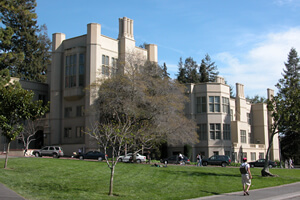
Major Program
[/et_pb_text][/et_pb_column][et_pb_column type=”1_3″ _builder_version=”4.24.1″ _module_preset=”default” global_colors_info=”{}” theme_builder_area=”post_content”][et_pb_image src=”https://live-international-area-studies-academic-program.pantheon.berkeley.edu/wp-content/uploads/2016/06/DSC_8596-1.jpg” alt=”Welcome to IAS Building” title_text=”Welcome to IAS” url=”http://undergraduate-programs/minor-program/” _builder_version=”4.24.1″ _module_preset=”default” global_colors_info=”{}” theme_builder_area=”post_content”][/et_pb_image][et_pb_text _builder_version=”4.24.1″ _module_preset=”default” text_orientation=”center” global_colors_info=”{}” theme_builder_area=”post_content”]
Minor Program
[/et_pb_text][/et_pb_column][et_pb_column type=”1_3″ _builder_version=”4.24.1″ _module_preset=”default” global_colors_info=”{}” theme_builder_area=”post_content”][et_pb_image src=”https://live-international-area-studies-academic-program.pantheon.berkeley.edu/wp-content/uploads/2021/11/graduate_program.jpg” alt=”Group on campus grass” url=”http://graduate-program/” align=”center” _builder_version=”4.24.1″ _module_preset=”default” global_colors_info=”{}” theme_builder_area=”post_content”][/et_pb_image][et_pb_text _builder_version=”4.24.1″ _module_preset=”default” text_orientation=”center” global_colors_info=”{}” theme_builder_area=”post_content”]
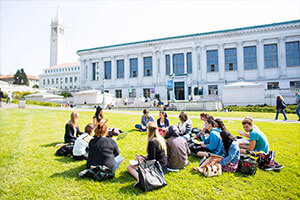
Graduate Program
[/et_pb_text][/et_pb_column][/et_pb_row][et_pb_row _builder_version=”4.24.1″ _module_preset=”default” background_color=”#003262″ width=”100%” custom_padding=”|30px||30px|false|false” border_radii=”on|10px|10px|10px|10px” global_colors_info=”{}” theme_builder_area=”post_content”][et_pb_column type=”4_4″ _builder_version=”4.16″ _module_preset=”default” global_colors_info=”{}” theme_builder_area=”post_content”][et_pb_text _builder_version=”4.16″ _module_preset=”default” text_font=”Freight Micro Pro|500|||||||” text_text_color=”#fdb515″ text_font_size=”20px” global_colors_info=”{}” theme_builder_area=”post_content”]“For me, my Berkeley education was about one thing: making a difference. And to impact today’s world that’s undergoing rapid and tectonic shifts, the Political Economy degree, along with other IAS degrees, provides exactly what’s needed: a deep and nuanced understanding of the multidimensional relationship between theory and practice, as well as ideology and impact. And if that’s not enough, the dynamic and curious students along with brilliant professors and mentors offer a never-ending opportunity to challenge yourself, learn and grow.”[/et_pb_text][et_pb_text _builder_version=”4.16″ _module_preset=”default” text_font=”|600|||||||” text_text_color=”#ffffff” text_font_size=”16px” text_orientation=”right” global_colors_info=”{}” theme_builder_area=”post_content”]-Toby Frankenstein, Class of 2006, Member of the Alumni Advisory Board[/et_pb_text][/et_pb_column][/et_pb_row][/et_pb_section][et_pb_section fb_built=”1″ disabled_on=”off|off|on” admin_label=”section” _builder_version=”4.24.1″ background_color=”#FFFFFF” custom_margin=”0px|0px|0px|0px|false|false” custom_padding=”0px|0px|0px|0px|false|false” global_colors_info=”{}” theme_builder_area=”post_content”][et_pb_row column_structure=”3_5,2_5″ admin_label=”row” _builder_version=”4.24.1″ background_color=”RGBA(255,255,255,0)” background_size=”initial” background_position=”top_left” background_repeat=”repeat” width=”100%” custom_padding=”0px||||false|false” saved_tabs=”all” global_colors_info=”{}” theme_builder_area=”post_content”][et_pb_column type=”3_5″ _builder_version=”4.16″ custom_padding=”|||” global_colors_info=”{}” custom_padding__hover=”|||” theme_builder_area=”post_content”][et_pb_text disabled_on=”on|off|off” _builder_version=”4.24.1″ header_font=”Freight Micro Pro||||||||” background_size=”initial” background_position=”top_left” background_repeat=”repeat” custom_margin=”||||false|false” global_colors_info=”{}” theme_builder_area=”post_content”]
Political Economy at Berkeley
The Political Economy major is designed to study the relationship between government, society, and the economy in a holistic manner from a multi-disciplinary perspective. Political Economy majors investigate how real-world market systems are embedded in both politics and society. They graduate with a mastery of a broad range of contemporary analyses as well as a deep understanding of classic works of political economy.
The study of Political Economy is both scientific, with its rigorous attention to social science methodology, and normative, with its concern for the big questions of how best to organize politics, society, and the economy. Political Economy seeks to examine the role of the state in the economy, and to assess which government policies and market institutions can move us toward a better society.
The major focuses on contemporary problems while building on a strong historical foundation. Students can choose to study such topics as economic development, trade and investment, global inequality, climate change, resource distribution, gender relations, financial systems, information technology, or health policy.
Some of the issues addressed in the major and its courses include, but are not limited to:
[/et_pb_text][et_pb_text disabled_on=”off|off|on” _builder_version=”4.24.1″ header_font=”Freight Micro Pro||||||||” background_color=”RGBA(255,255,255,0)” background_size=”initial” background_position=”top_left” background_repeat=”repeat” custom_margin=”20px||||false|false” global_colors_info=”{}” theme_builder_area=”post_content”]
Political Economy at Berkeley
The Political Economy major is designed to study the relationship between government, society, and the economy in a holistic manner from a multi-disciplinary perspective. Political Economy majors investigate how real-world market systems are embedded in both politics and society. They graduate with a mastery of a broad range of contemporary analyses as well as a deep understanding of classic works of political economy.
The study of Political Economy is both scientific, with its rigorous attention to social science methodology, and normative, with its concern for the big questions of how best to organize politics, society, and the economy. Political Economy seeks to examine the role of the state in the economy, and to assess which government policies and market institutions can move us toward a better society.
The major focuses on contemporary problems while building on a strong historical foundation. Students can choose to study such topics as economic development, trade and investment, global inequality, climate change, resource distribution, gender relations, financial systems, information technology, or health policy.
Some of the issues addressed in the major and its courses include, but are not limited to:
[/et_pb_text][/et_pb_column][et_pb_column type=”2_5″ _builder_version=”4.16″ custom_padding=”|||” global_colors_info=”{}” custom_padding__hover=”|||” theme_builder_area=”post_content”][et_pb_blurb title=”Political Economy Major Map” admin_label=”Blurb 3″ module_class=”blurbbox” _builder_version=”4.7.7″ header_level=”h3″ header_font=”Freight Micro Pro||||||||” background_color=”#E09900″ text_orientation=”center” background_layout=”dark” custom_padding=”25px|25px|25px|25px|true|true” link_option_url=”https://vcue.berkeley.edu/sites/default/files/political_economy.pdf” link_option_url_new_window=”on” z_index_tablet=”500″ header_text_shadow_horizontal_length_tablet=”0px” header_text_shadow_vertical_length_tablet=”0px” header_text_shadow_blur_strength_tablet=”1px” body_text_shadow_horizontal_length_tablet=”0px” body_text_shadow_vertical_length_tablet=”0px” body_text_shadow_blur_strength_tablet=”1px” body_link_text_shadow_horizontal_length_tablet=”0px” body_link_text_shadow_vertical_length_tablet=”0px” body_link_text_shadow_blur_strength_tablet=”1px” body_ul_text_shadow_horizontal_length_tablet=”0px” body_ul_text_shadow_vertical_length_tablet=”0px” body_ul_text_shadow_blur_strength_tablet=”1px” body_ol_text_shadow_horizontal_length_tablet=”0px” body_ol_text_shadow_vertical_length_tablet=”0px” body_ol_text_shadow_blur_strength_tablet=”1px” body_quote_text_shadow_horizontal_length_tablet=”0px” body_quote_text_shadow_vertical_length_tablet=”0px” body_quote_text_shadow_blur_strength_tablet=”1px” box_shadow_horizontal_tablet=”0px” box_shadow_vertical_tablet=”0px” box_shadow_blur_tablet=”40px” box_shadow_spread_tablet=”0px” box_shadow_horizontal_image_tablet=”0px” box_shadow_vertical_image_tablet=”0px” box_shadow_blur_image_tablet=”40px” box_shadow_spread_image_tablet=”0px” text_shadow_horizontal_length_tablet=”0px” text_shadow_vertical_length_tablet=”0px” text_shadow_blur_strength_tablet=”1px” global_module=”4803″ saved_tabs=”all” global_colors_info=”{}” theme_builder_area=”post_content”][/et_pb_blurb][et_pb_blurb title=”Undergraduate Major Requirements & Policies” admin_label=”Blurb 1″ module_class=”blurbbox” _builder_version=”4.24.1″ _dynamic_attributes=”link_option_url” header_level=”h3″ header_font=”Freight Micro Pro||||||||” background_color=”#E09900″ text_orientation=”center” background_layout=”dark” custom_padding=”25px|25px|25px|25px|true|true” link_option_url=”@ET-DC@eyJkeW5hbWljIjp0cnVlLCJjb250ZW50IjoicG9zdF9saW5rX3VybF9hdHRhY2htZW50Iiwic2V0dGluZ3MiOnsicG9zdF9pZCI6Ijc1MTUifX0=@” link_option_url_new_window=”on” global_module=”4794″ saved_tabs=”all” global_colors_info=”{}” theme_builder_area=”post_content”][/et_pb_blurb][et_pb_blurb title=”The Berkeley Economy & Society Initiative (BESI)” url_new_window=”on” admin_label=”Blurb 6″ module_class=”blurbbox” _builder_version=”4.24.1″ header_level=”h3″ header_font=”Freight Micro Pro||||||||” header_text_color=”#FFFFFF” background_color=”#E09900″ text_orientation=”center” background_layout=”dark” custom_padding=”25px|25px|25px|25px|true|true” link_option_url=”https://live-berkeley-economy-and-society-initiative.pantheonsite.io/” link_option_url_new_window=”on” z_index_tablet=”500″ header_text_shadow_horizontal_length_tablet=”0px” header_text_shadow_vertical_length_tablet=”0px” header_text_shadow_blur_strength_tablet=”1px” body_text_shadow_horizontal_length_tablet=”0px” body_text_shadow_vertical_length_tablet=”0px” body_text_shadow_blur_strength_tablet=”1px” body_link_text_shadow_horizontal_length_tablet=”0px” body_link_text_shadow_vertical_length_tablet=”0px” body_link_text_shadow_blur_strength_tablet=”1px” body_ul_text_shadow_horizontal_length_tablet=”0px” body_ul_text_shadow_vertical_length_tablet=”0px” body_ul_text_shadow_blur_strength_tablet=”1px” body_ol_text_shadow_horizontal_length_tablet=”0px” body_ol_text_shadow_vertical_length_tablet=”0px” body_ol_text_shadow_blur_strength_tablet=”1px” body_quote_text_shadow_horizontal_length_tablet=”0px” body_quote_text_shadow_vertical_length_tablet=”0px” body_quote_text_shadow_blur_strength_tablet=”1px” box_shadow_horizontal_tablet=”0px” box_shadow_vertical_tablet=”0px” box_shadow_blur_tablet=”40px” box_shadow_spread_tablet=”0px” box_shadow_horizontal_image_tablet=”0px” box_shadow_vertical_image_tablet=”0px” box_shadow_blur_image_tablet=”40px” box_shadow_spread_image_tablet=”0px” text_shadow_horizontal_length_tablet=”0px” text_shadow_vertical_length_tablet=”0px” text_shadow_blur_strength_tablet=”1px” global_module=”4807″ saved_tabs=”all” global_colors_info=”{}” theme_builder_area=”post_content”][/et_pb_blurb][et_pb_blurb title=”The Political Economy Student Association (PESA)” url_new_window=”on” module_class=”blurbbox” _builder_version=”4.24.1″ _module_preset=”default” header_level=”h3″ header_font=”Freight Micro Pro||||||||” header_text_color=”#FFFFFF” background_color=”#E09900″ text_orientation=”center” background_layout=”dark” custom_padding=”25px|25px|25px|25px|true|true” link_option_url=”https://pesaberkeley.weebly.com/” link_option_url_new_window=”on” global_module=”7740″ saved_tabs=”all” global_colors_info=”{}” theme_builder_area=”post_content”][/et_pb_blurb][et_pb_blurb title=”The Berkeley Political Economy Journal” admin_label=”Blurb 2″ module_class=”blurbbox” _builder_version=”4.24.1″ header_level=”h3″ header_font=”Freight Micro Pro||||||||” background_color=”#E09900″ text_orientation=”center” background_layout=”dark” custom_padding=”25px|25px|25px|25px|true|true” link_option_url=”https://pesaberkeley.weebly.com/berkeley-political-economy-journal.html” link_option_url_new_window=”on” z_index_tablet=”500″ header_text_shadow_horizontal_length_tablet=”0px” header_text_shadow_vertical_length_tablet=”0px” header_text_shadow_blur_strength_tablet=”1px” body_text_shadow_horizontal_length_tablet=”0px” body_text_shadow_vertical_length_tablet=”0px” body_text_shadow_blur_strength_tablet=”1px” body_link_text_shadow_horizontal_length_tablet=”0px” body_link_text_shadow_vertical_length_tablet=”0px” body_link_text_shadow_blur_strength_tablet=”1px” body_ul_text_shadow_horizontal_length_tablet=”0px” body_ul_text_shadow_vertical_length_tablet=”0px” body_ul_text_shadow_blur_strength_tablet=”1px” body_ol_text_shadow_horizontal_length_tablet=”0px” body_ol_text_shadow_vertical_length_tablet=”0px” body_ol_text_shadow_blur_strength_tablet=”1px” body_quote_text_shadow_horizontal_length_tablet=”0px” body_quote_text_shadow_vertical_length_tablet=”0px” body_quote_text_shadow_blur_strength_tablet=”1px” box_shadow_horizontal_tablet=”0px” box_shadow_vertical_tablet=”0px” box_shadow_blur_tablet=”40px” box_shadow_spread_tablet=”0px” box_shadow_horizontal_image_tablet=”0px” box_shadow_vertical_image_tablet=”0px” box_shadow_blur_image_tablet=”40px” box_shadow_spread_image_tablet=”0px” text_shadow_horizontal_length_tablet=”0px” text_shadow_vertical_length_tablet=”0px” text_shadow_blur_strength_tablet=”1px” global_module=”4802″ saved_tabs=”all” global_colors_info=”{}” theme_builder_area=”post_content”][/et_pb_blurb][et_pb_blurb title=”Give to Political Economy” url_new_window=”on” admin_label=”Blurb 5″ _builder_version=”4.24.1″ _module_preset=”9ec9caf8-1d2c-4bf4-a898-48a58790ee4c” link_option_url=”/resources/give-to-political-economy/” link_option_url_new_window=”on” z_index_tablet=”500″ header_text_shadow_horizontal_length_tablet=”0px” header_text_shadow_vertical_length_tablet=”0px” header_text_shadow_blur_strength_tablet=”1px” body_text_shadow_horizontal_length_tablet=”0px” body_text_shadow_vertical_length_tablet=”0px” body_text_shadow_blur_strength_tablet=”1px” body_link_text_shadow_horizontal_length_tablet=”0px” body_link_text_shadow_vertical_length_tablet=”0px” body_link_text_shadow_blur_strength_tablet=”1px” body_ul_text_shadow_horizontal_length_tablet=”0px” body_ul_text_shadow_vertical_length_tablet=”0px” body_ul_text_shadow_blur_strength_tablet=”1px” body_ol_text_shadow_horizontal_length_tablet=”0px” body_ol_text_shadow_vertical_length_tablet=”0px” body_ol_text_shadow_blur_strength_tablet=”1px” body_quote_text_shadow_horizontal_length_tablet=”0px” body_quote_text_shadow_vertical_length_tablet=”0px” body_quote_text_shadow_blur_strength_tablet=”1px” box_shadow_horizontal_tablet=”0px” box_shadow_vertical_tablet=”0px” box_shadow_blur_tablet=”40px” box_shadow_spread_tablet=”0px” box_shadow_horizontal_image_tablet=”0px” box_shadow_vertical_image_tablet=”0px” box_shadow_blur_image_tablet=”40px” box_shadow_spread_image_tablet=”0px” text_shadow_horizontal_length_tablet=”0px” text_shadow_vertical_length_tablet=”0px” text_shadow_blur_strength_tablet=”1px” global_module=”4806″ saved_tabs=”all” global_colors_info=”{}” theme_builder_area=”post_content”][/et_pb_blurb][/et_pb_column][/et_pb_row][et_pb_row disabled_on=”on|off|off” admin_label=”row” _builder_version=”4.24.1″ background_size=”initial” background_position=”top_left” background_repeat=”repeat” width=”100%” global_colors_info=”{}” theme_builder_area=”post_content”][et_pb_column type=”4_4″ _builder_version=”4.16″ custom_padding=”|||” global_colors_info=”{}” custom_padding__hover=”|||” theme_builder_area=”post_content”][et_pb_text disabled_on=”off|off|off” _builder_version=”4.24.1″ background_size=”initial” background_position=”top_left” background_repeat=”repeat” global_colors_info=”{}” theme_builder_area=”post_content”]
[/et_pb_text][/et_pb_column][/et_pb_row][et_pb_row disabled_on=”off|off|on” _builder_version=”4.24.1″ _module_preset=”default” background_color=”#FFFFFF” min_height=”0px” custom_margin=”|auto|2px|auto||” custom_padding=”||30px|||” global_colors_info=”{}” theme_builder_area=”post_content”][et_pb_column type=”4_4″ _builder_version=”4.24.1″ _module_preset=”default” global_colors_info=”{}” theme_builder_area=”post_content”][/et_pb_column][/et_pb_row][et_pb_row column_structure=”1_3,1_3,1_3″ disabled_on=”off|off|on” _builder_version=”4.24.1″ _module_preset=”default” global_colors_info=”{}” theme_builder_area=”post_content”][et_pb_column type=”1_3″ _builder_version=”4.24.1″ _module_preset=”default” global_colors_info=”{}” theme_builder_area=”post_content”][et_pb_image src=”https://live-international-area-studies-academic-program.pantheon.berkeley.edu/wp-content/uploads/2016/07/DSCN3523-3.jpg” alt=”Stephens Hall at UC Berkeley” title_text=”Stephens Hall at UC Berkeley” url=”/undergraduate-programs/the-political-economy-major/” align=”center” _builder_version=”4.24.1″ _module_preset=”default” global_colors_info=”{}” theme_builder_area=”post_content”][/et_pb_image][et_pb_text _builder_version=”4.24.1″ _module_preset=”default” text_orientation=”center” global_colors_info=”{}” theme_builder_area=”post_content”]
Major Program
[/et_pb_text][/et_pb_column][et_pb_column type=”1_3″ _builder_version=”4.24.1″ _module_preset=”default” global_colors_info=”{}” theme_builder_area=”post_content”][et_pb_image src=”https://live-international-area-studies-academic-program.pantheon.berkeley.edu/wp-content/uploads/2016/06/DSC_8596-1.jpg” alt=”Welcome to IAS Building” title_text=”Welcome to IAS” url=”http://undergraduate-programs/minor-program/” _builder_version=”4.24.1″ _module_preset=”default” global_colors_info=”{}” theme_builder_area=”post_content”][/et_pb_image][et_pb_text _builder_version=”4.24.1″ _module_preset=”default” text_orientation=”center” global_colors_info=”{}” theme_builder_area=”post_content”]
Minor Program
[/et_pb_text][/et_pb_column][et_pb_column type=”1_3″ _builder_version=”4.24.1″ _module_preset=”default” global_colors_info=”{}” theme_builder_area=”post_content”][et_pb_image src=”https://live-international-area-studies-academic-program.pantheon.berkeley.edu/wp-content/uploads/2021/11/graduate_program.jpg” alt=”Group on campus grass” url=”http://graduate-program/” align=”center” _builder_version=”4.24.1″ _module_preset=”default” global_colors_info=”{}” theme_builder_area=”post_content”][/et_pb_image][et_pb_text _builder_version=”4.24.1″ _module_preset=”default” text_orientation=”center” global_colors_info=”{}” theme_builder_area=”post_content”]
Graduate Program
[/et_pb_text][/et_pb_column][/et_pb_row][et_pb_row _builder_version=”4.24.1″ _module_preset=”default” background_color=”#003262″ width=”100%” custom_padding=”|30px||30px|false|false” border_radii=”on|10px|10px|10px|10px” global_colors_info=”{}” theme_builder_area=”post_content”][et_pb_column type=”4_4″ _builder_version=”4.16″ _module_preset=”default” global_colors_info=”{}” theme_builder_area=”post_content”][et_pb_text _builder_version=”4.16″ _module_preset=”default” text_font=”Freight Micro Pro|500|||||||” text_text_color=”#fdb515″ text_font_size=”20px” global_colors_info=”{}” theme_builder_area=”post_content”]“For me, my Berkeley education was about one thing: making a difference. And to impact today’s world that’s undergoing rapid and tectonic shifts, the Political Economy degree, along with other IAS degrees, provides exactly what’s needed: a deep and nuanced understanding of the multidimensional relationship between theory and practice, as well as ideology and impact. And if that’s not enough, the dynamic and curious students along with brilliant professors and mentors offer a never-ending opportunity to challenge yourself, learn and grow.”[/et_pb_text][et_pb_text _builder_version=”4.16″ _module_preset=”default” text_font=”|600|||||||” text_text_color=”#ffffff” text_font_size=”16px” text_orientation=”right” global_colors_info=”{}” theme_builder_area=”post_content”]-Toby Frankenstein, Class of 2006, Member of the Alumni Advisory Board[/et_pb_text][/et_pb_column][/et_pb_row][/et_pb_section]